
Selected work · case study
Search
Better matching removed discovery dead ends; failed intent became a live product roadmap.
Problem
The product looked smaller than it was
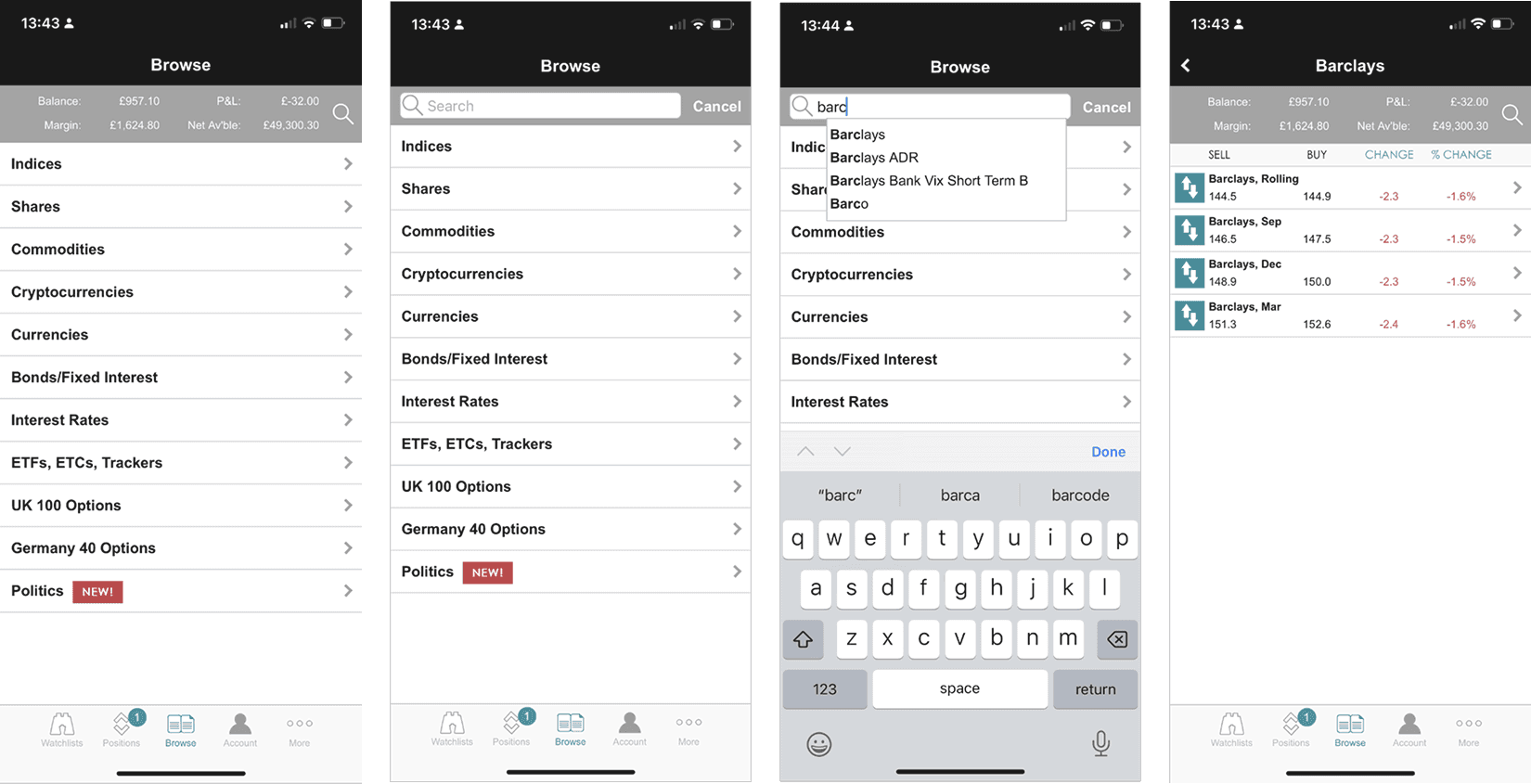
Search only matched the beginning of a string, had no partial or similar-term logic and surfaced four markets. Reaching a market could take five interactions. Users concluded that instruments were missing even when they existed — a discoverability problem with direct activation and retention consequences.
Key decision
Fix relevance, then turn misses into signal
We expanded matching across partial terms, related terms, names and RICs, and increased the visible result set to 20. The more important decision was to record searches that produced no click, creating a durable feedback loop between user intent, search rules and market coverage.
- Match partial and similar terms, not only prefixes
- Search by market name or RIC
- Review no-click queries as product discovery input
Outcome
Search became infrastructure, not a box
Result discovery and successful clicks increased. Reviewing missed searches exposed real demand for markets that were not yet offered, informed additions to the product and produced material incremental trading revenue — without exposing confidential underlying figures here.
- visible results
- 4 → 20
- matching model
- Prefix → intent
- feedback loop
- No click → insight
Selected artefacts
A concise visual trail
Reflection
What I’d do differently
I would treat the shipped work as the foundation, not the finish: modernise the result UI, shorten the route from discovery to action, test semantic retrieval for related markets, and automate triage of repeated misses with strict human review.