
Work · Signals
Stop alienating low intent users
Most products assume users already know what they want.
X assumes you know what you want to post. Spotify assumes you know what you want to listen to. Siri assumes you know what it can do.
This isn't a problem when new users already have a clear idea of what they want to do (high, actionable intent).
But many users arrive with lower, exploratory intent, interested in the outcome but without enough certainty or direction to engage with the platform's key features.
This oversight is caused by trained incapacity. The product's purpose, terminology and use cases become so familiar internally that companies stop recognising how much of that context new or inexperienced users simply don't have.
Even once you identify the problem, it's difficult to solve.
High intent users want minimal friction: they effectively want the platform to get out of their way. Low intent users often need the opposite: active intervention to move from exploratory to actionable intent.
An efficient product should be designed for both high and low intent users.
When intent is high, reduce friction. When intent is low, reduce uncertainty.
| Intent | High | Low |
|---|---|---|
| User state | Directed, certain and actionable | Exploratory, uncertain and lacking direction or confidence |
| How they think | “I know what I want. Just help me do it.” | “I know the outcome I want, but I'm not sure how to get there.” |
| Trading example | “I want to trade gold.” | “I want to trade, but I'm not sure what yet.” |
| Desired UX | Minimal friction | Guidance, ideas and confidence |
| Product role | Get out of the way when intent is clear | Step forward and reduce uncertainty |
We ran into exactly this problem at Spreadex Trading.
The app had won multiple awards for ease of use. Finding a market and placing a trade were already straightforward.
Yet the majority of new users still weren't trading.
The problem wasn’t simply friction. We'd assumed users already knew what they wanted to do, and overlooked those who didn't.
To try to resolve this, we laid out screenshots of the full user journey in Figma, talked to users, researched competitors and carefully read through industry analysis.
It all pointed to the same thing: users wanted more help finding trading ideas and opportunities, and weren't particularly satisfied with the products already doing it.
For these users, the problem wasn't how to place a trade, but finding something worth considering in the first place.
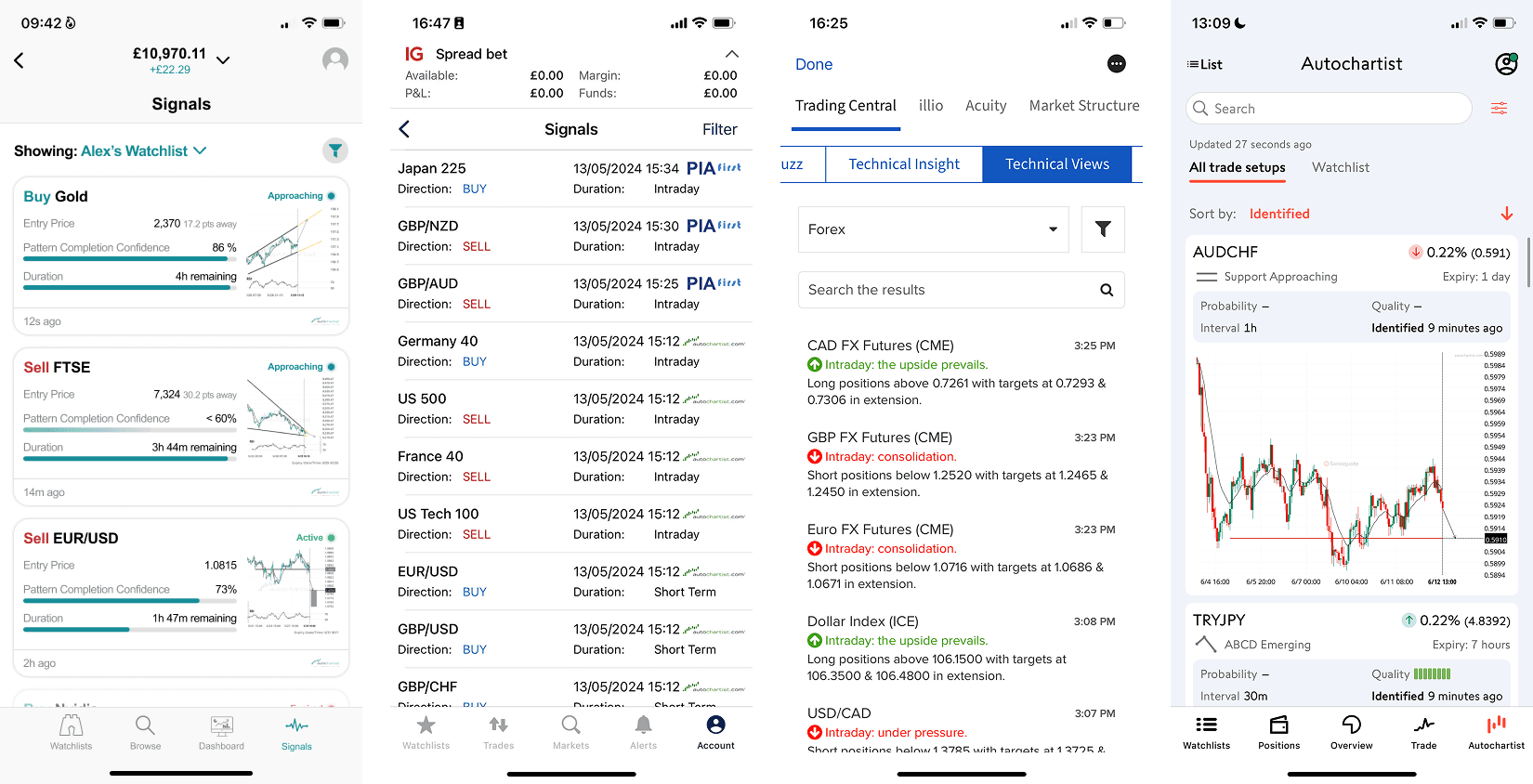
That led us to launch Signals: a feed of potential trading opportunities that gave low intent users something concrete to consider, rather than expecting them to arrive with an idea already in mind.
But solving for low intent users couldn't come at the expense of experienced users who wanted more depth and technical detail.
For low intent users, we reduced uncertainty with clear charts, simpler language and confidence signals, giving them enough information to understand an opportunity without overwhelming them.
For more experienced users, we used progressive disclosure rather than removing complexity altogether. Technical detail, filtering and watchlists remained available when users wanted greater control.
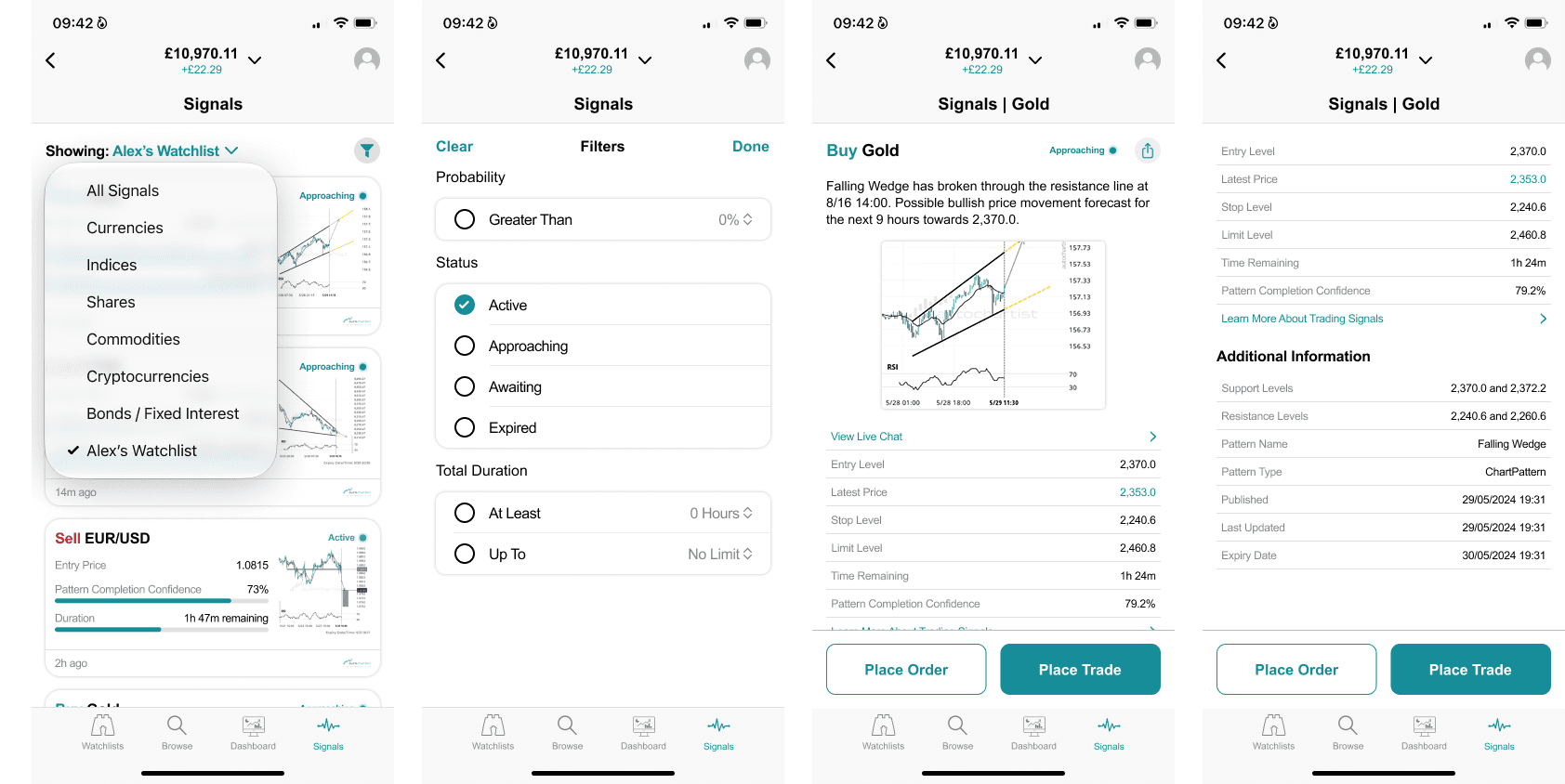
The objective wasn’t to dumb down the whole product.
It was to reveal complexity gradually, as the user's intent and understanding increased.
By giving exploratory users more direction without taking control away from experienced users, we saw activation improve.
Following launch, the number of new users who deposited increased by 7.3% and trades by 7.7%. Users also actively engaged with Signals beyond the simplified first layer, using deeper functionality such as watchlists, filters and educational content.
But we never expected Signals to be a silver bullet. Low intent users arrive with exploratory intent for different reasons, so the first intervention you put in front of them won't necessarily resonate with everyone.
The goal isn't to find one feature that activates every low intent user. It's to keep broadening the routes from curiosity to action.
It’s about different horses for different courses: better news for those who enjoy responding to real world events, risk management tools to increase certainty, or education within the app for users who simply want to understand more before acting.
Activation isn't always about making the platform as frictionless as possible. Sometimes the harder job comes before that, helping users decide what they actually want to do.
When intent is clear, reduce friction. When it isn't, reduce uncertainty.
The difficult part is knowing which uncertainty to solve next. That requires continually learning from users rather than assuming you already understand them. Read more about my approach to product development.